
Warehousing and distribution are key parts of every supply chain. When it comes to food-related products, however, there are much more stringent processes, standards, and requirements to consider.
For food industry distributors, producers, manufacturers, and retailers, choosing the right food grade warehouse is a decision rooted in food safety, quality, and brand protection, not just operations.
Food grade warehousing requires clean and well-managed facilities, trained teams, proper documentation, inventory visibility, pest control, product-specific storage conditions, and the ability to meet customer, regulatory, and audit requirements.
While there are many food grade warehouse requirements, established and proven companies such as Murphy Logistics have the experience, facilities, and food logistics expertise to safely and successfully store and distribute many types of food products.
What Is Food Grade Warehousing?
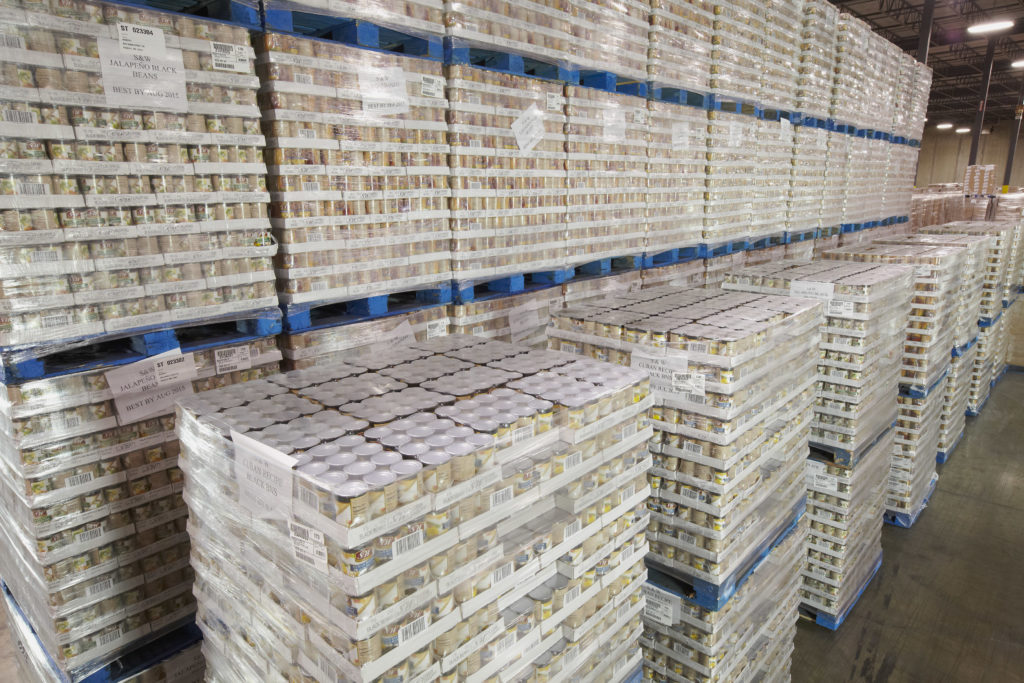
Food grade warehousing is the specialized storage and handling of food, beverages, ingredients, and related products in facilities designed to protect product safety, quality, and integrity.
A food-grade warehouse may support ambient, refrigerated, frozen, organic, or specialty storage depending on the products being handled. Compared with general warehousing, food grade storage often requires additional controls around sanitation, temperature, humidity, pest prevention, traceability, inventory rotation, and cross-contact prevention.
In short, food grade warehousing helps ensure food products are stored in the right conditions and moved through the supply chain with care.
Types of Food Products Stored in Food Grade Warehouses
Different food products have different storage and handling requirements. Understanding these categories can help you determine what type of food grade logistics partner is the best fit for your business.
Because of the nature of food products, many items require temperature control, careful handling, added documentation, and extra controls over the storage environment, such as humidity monitoring and pest control.
Finished Food Products
Finished foods are goods that have been manufactured, packaged, and are ready for grocery shelves, foodservice distribution, or direct-to-consumer shipping.
These products have gone through the full manufacturing process but have not yet been sold to the final customer. They often need to be stored until they are ready for replenishment, retail distribution, or fulfillment.
Having enough inventory on hand, but not too much, is a key part of success. A strong food grade warehousing partner can help support that balance through organized storage, inventory visibility, and efficient distribution.
Food Ingredients
Food ingredients are any items that go into finished foods during the manufacturing process. This can include raw ingredients, additives, flavorings, sweeteners, oils, starches, and other components used to produce a desired outcome.
Food ingredients come in a variety of packaging formats and are often stored on pallets. Because these products may be used in large-scale manufacturing, they require careful handling, accurate inventory management, and teams that understand food ingredient logistics.
The right food grade warehouse can help ensure ingredients are stored safely and delivered to production facilities when they are needed.
Fresh Food
Fresh food has a different set of requirements and a shorter shelf life than many packaged foods, ingredients, or finished goods.
Fresh products typically have less packaging and may need refrigerated or frozen storage. Special refrigerated or freezer areas help keep these products in clean, controlled environments.
Extra care must be taken to prevent cross-contact, contamination, spoilage, and quality issues. That makes it especially important to work with a trusted food grade warehousing company that understands the risks involved.
Organic Food
Organic food can include fresh, packaged, or ingredient-based products. Organic storage has additional requirements because products must be protected from commingling or cross-contact with non-organic products and prohibited substances.
For warehouses handling organic products, documentation, separation, cleaning procedures, and certification requirements are especially important. If your products are certified organic, your 3PL should be able to explain exactly how it protects organic integrity throughout storage and distribution.
Food Grade Warehouse Requirements To Look For
Food grade warehouse requirements vary depending on the product, customer, and regulatory environment. Still, there are several core capabilities that food industry companies should look for in a 3PL partner.
A strong food grade warehouse should have:
- Clean, organized, and well-maintained storage areas
- Ambient, refrigerated, or frozen storage options where needed
- Temperature and humidity monitoring for products that require it
- Documented sanitation and cleaning procedures
- Pest prevention and pest control programs
- Processes to reduce the risk of contamination and cross-contact
- Strong inventory management systems
- Lot tracking, expiration tracking, and inventory rotation practices
- Trained warehouse teams that understand food product handling
- Secure facilities with controlled access
- Clear documentation for audits, customer requirements, and quality programs
Food grade storage is not one-size-fits-all. The right facility depends on the product’s packaging, shelf life, handling needs, temperature requirements, customer expectations, and distribution model.
When evaluating a food grade storage facility, it is important to visit the site, meet with the team, review certifications, ask about inventory management systems, and understand how the warehouse handles quality, safety, and communication.
Food Grade Certifications, Audits, and Compliance
Certifications and audits are an important part of food grade warehousing because they help demonstrate that a facility has the processes, documentation, and controls needed for safe food storage.
Depending on the products being handled, a food grade warehouse may need FDA registration, USDA oversight, HACCP-based programs, SQF certification, organic handler certification, or customer-specific audit approvals.
Food storage warehouse standards are intended to protect the public from unsafe or compromised food and beverage products. Food-grade facilities may be evaluated for sanitation, pest control, temperature monitoring, moisture control, quality procedures, documentation, and employee training.
One of the most recognized food safety programs is Safe Quality Food, or SQF. SQF certification is widely used across the food supply chain and includes standards for storage and distribution. Some companies accept third-party certifications in place of their own audits, while others require a strict internal audit process before working with any third-party food warehouse.
At Murphy Logistics, food safety is a serious responsibility. Murphy’s food grade warehousing operations are built around safe handling, strong procedures, and compliance with applicable FDA, USDA, HACCP, and customer requirements. Murphy also holds SQF certificates at numerous locations in Minnesota and Missouri and supports certified organic handling where required.
Food Logistics and Distribution
Food logistics and food grade warehousing require great care and attention to detail.
Food distribution can include moving products from a manufacturer to a storage warehouse, delivering finished goods to retailer warehouses or distribution centers, shipping products to grocery locations, or transporting food ingredients to manufacturing facilities.
Distribution for food products is typically done in full pallet quantities, but case pick and single-item pick projects can also be common depending on the product and customer.
Because food products often have tighter requirements than many other consumer goods, warehousing and transportation need to work together. A strong 3PL partner can help reduce handoffs, maintain visibility, and keep food products moving through the supply chain efficiently.
Choosing a Food Grade Warehousing Partner
Selecting a food grade warehousing partner is a key step for any food industry business. To choose the best provider for your company, there are several important factors to examine.
As you evaluate a food grade warehouse or 3PL, consider asking:
- Can your goods be moved swiftly and effectively through the warehouse?
- What condition is the facility in?
- What steps are in place to reduce contamination and cross-contact risk?
- What warehouse management system is used?
- How responsive is the team when issues or questions come up?
- Can the provider support transportation, distribution, or 3PL services beyond storage?
The answers to these questions can help you shorten your list and make a more confident decision about who to trust with your food logistics.
You should look closely at a provider’s capabilities, certifications, standards, processes, systems, communication style, and track record with food grade products. It may also make sense to tour the facility so you can see how procedures are followed and feel confident in the team managing your products.
Food Grade Warehousing in Minnesota and Missouri
If you are looking for food grade storage facilities, Murphy Logistics can help.
Murphy operates numerous food-grade facilities throughout Minnesota and Missouri and has the experience, professionalism, and food logistics expertise to support a wide range of food and beverage supply chain needs.
Our team understands the importance of safe storage, careful handling, clear communication, and dependable distribution. From finished food products to food ingredients, organic goods, and specialty storage requirements, Murphy helps food industry companies move their products forward with confidence.
Murphy’s team of food warehousing and logistics experts is ready to answer your questions, review your storage needs, and help determine the right solution for your business.
Frequently Asked Questions About Food Grade Warehousing
The most important food grade warehouse requirements include clean and well-maintained facilities, documented sanitation procedures, pest control, appropriate temperature or humidity controls, inventory tracking, trained employees, security measures, and the certifications or audit programs required for the products being stored.
Food grade warehousing may be used for finished food products, food ingredients, fresh food, frozen food, refrigerated products, organic food, beverages, pet food ingredients, and other products that require safe and controlled storage.
Certifications help demonstrate that a food grade warehouse follows recognized safety, quality, and handling practices. They also help customers evaluate whether a 3PL has the processes, documentation, and controls needed to store food products safely.
Look for a partner with proven food logistics experience, appropriate certifications, clean and secure facilities, strong inventory systems, responsive communication, documented safety procedures, and the ability to support your specific storage and distribution requirements.