Agriculture Supply Chain Logistics & Distribution
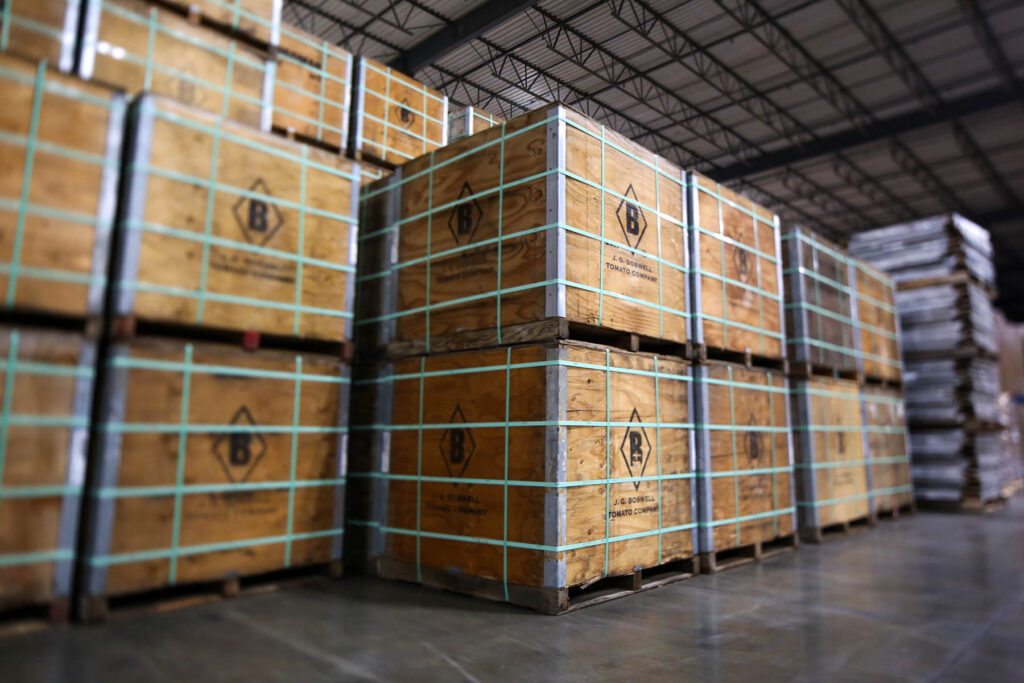
The phrase “farm to table” leaves out a lot. Between those two, there’s a complex network of transportation, warehousing, and other logistics that ensure agricultural goods make it from place to place. Whether goods are being moved from the farm to a processor or from the packaging line to the market where they’ll be sold, there’s a good chance they need specialized agricultural logistics expertise. At the same time, these goods are highly susceptible to unique challenges including variable harvest schedules, spoilage, weather-related risks, and market fluctuations.
Murphy Logistics helps the agricultural industry overcome its toughest logistics challenges. Our integrated warehousing, transportation, and compliance capabilities create seamless farm-to-market supply chain solutions that drive the best results.




Specialized Storage and Agriculture Warehousing Services
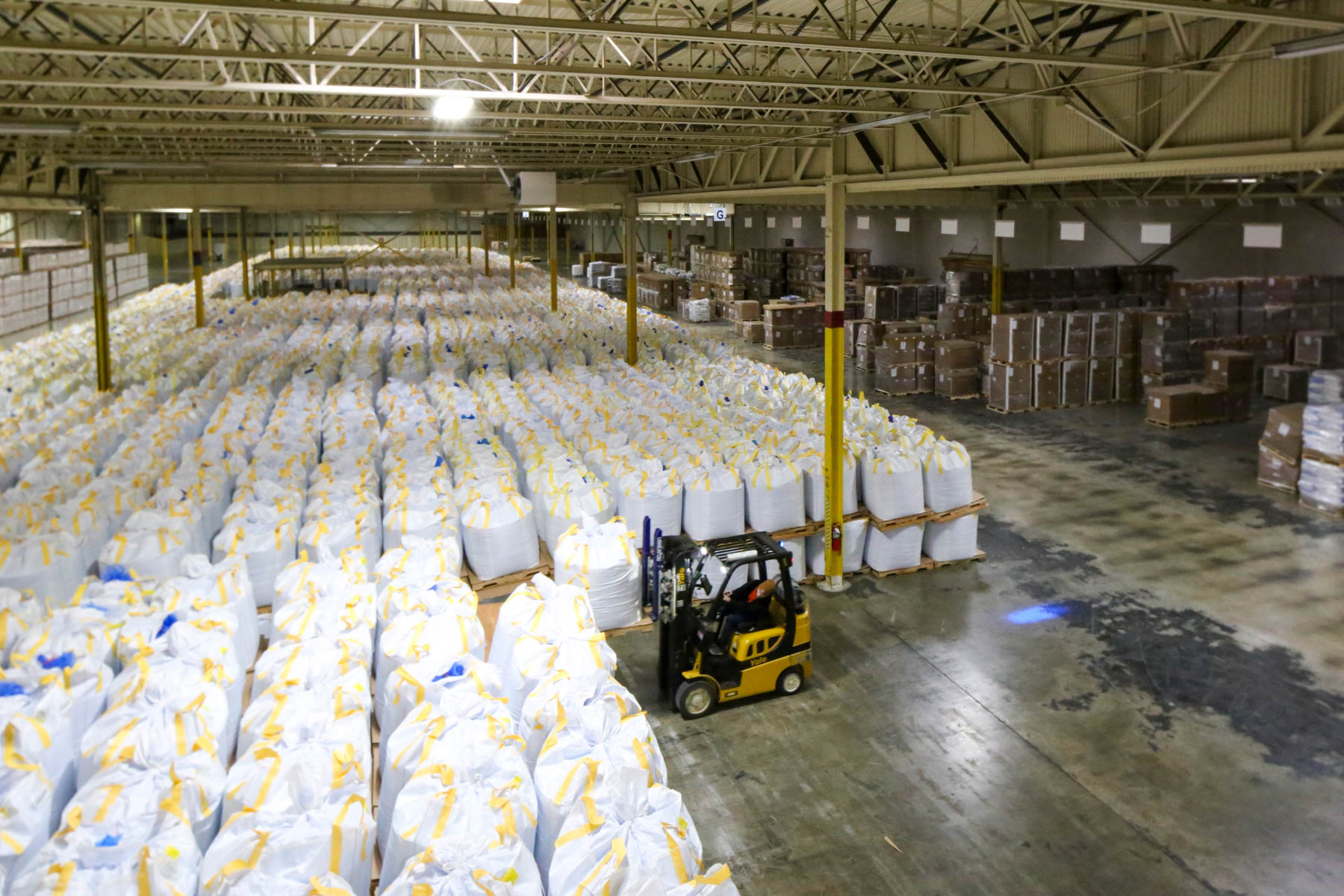
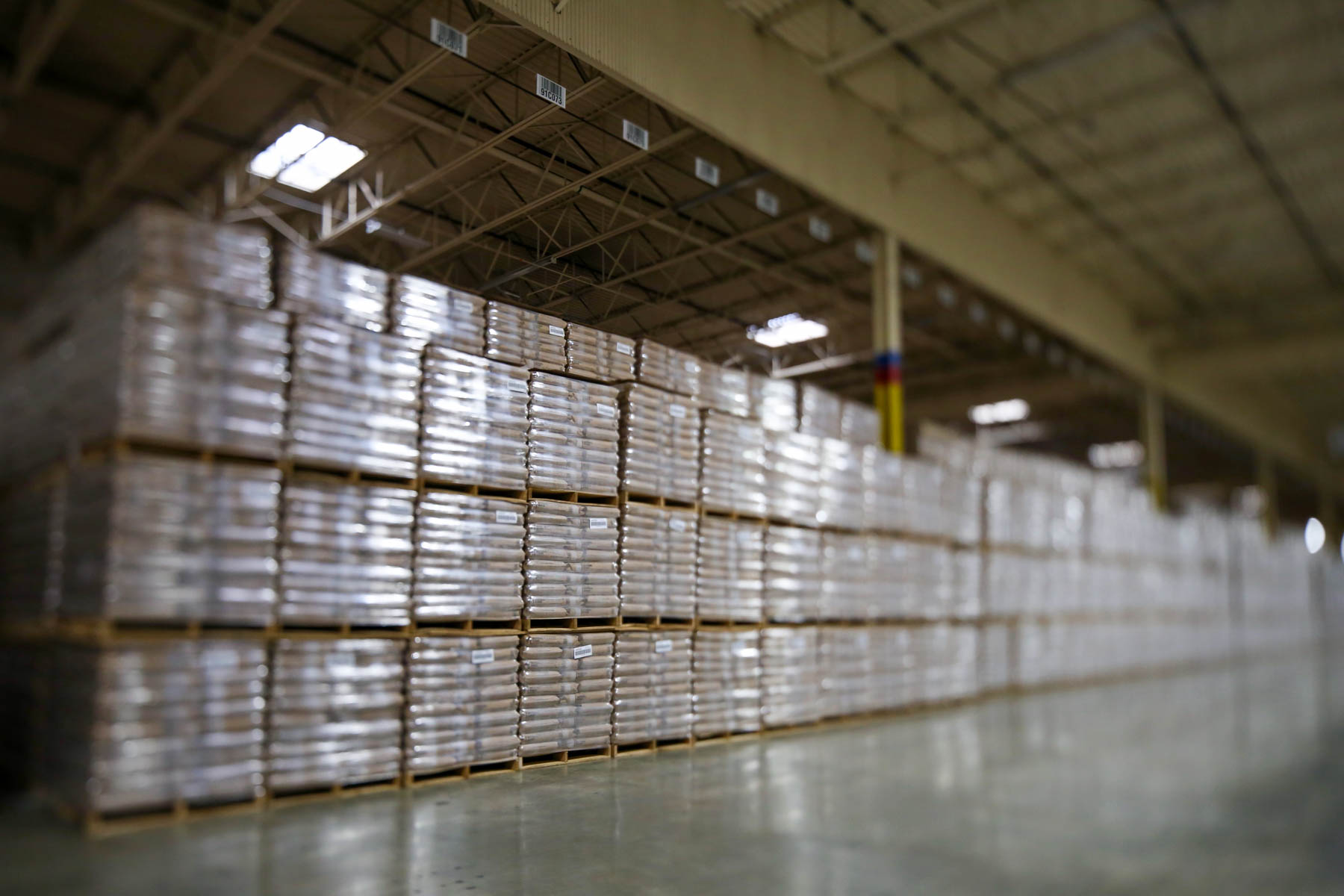
Customers in agriculture can rest assured they’ll be in good hands when they choose to work with Murphy. We have extensive storage space that includes dry, temperature-controlled, and other food-grade facilities. These spaces are used to store grains, feed, packaged foods, or processed ingredients. Our advanced inventory control systems allow clients to monitor stock levels in real-time.
The scalability of our warehousing facilities means we can accommodate seasonal surpluses as well as year-round storage needs. In addition, value-added services such as kitting, labeling, inspections, and repackaging help reduce the burden for clients.
Transportation and Distribution for Agriculture
We offer extensive transport and agricultural distribution services thanks to our asset-based fleet, including truckload, rail, flatbed, FTL and LTL. We have the ability to handle everything from bulk commodity shipping to packaged food transport. Taking advantage of our rail siding and transloading capabilities helps our clients reduce their costs and improve their competitive advantage. We offer regional, national, and last-mile farm produce distribution services. With our 3PL brokerage network, we offer nationwide service while also providing competitive pricing and capacity even during seasonal surges.
Ensuring Compliance and Product Integrity
Protecting the integrity of food is critical in the agricultural sector, and Murphy is up to the challenge. We hold SQF, FDA, and USDA certifications, and we conduct regular audits to ensure compliance and safety. We work hard to protect clients’ brand integrity through lot tracking, product labeling, quality inspections, and mock recalls that go above and beyond our regulatory requirements. We take a proactive approach to compliance and safety that includes continuous improvement and employee training initiatives.
Partner With Murphy for End-to-End Agriculture Supply Chain Success
Our asset-based fleet in conjunction with our 3PL brokerage network give us the flexibility, scalability, and reach to serve clients across the country. Our extensive experience means we know how to handle seasonal harvest peaks as well as regular demand, and we’ve built strong partnerships with numerous food and agriculture companies in the Midwest as well as nationwide.
Contact us today to learn more about how our agricultural supply chain management solutions can streamline your operations and protect product integrity from farm to market. Reach out and request a quote.