
In the food industry, one vital element underpins its operations, yet often escapes the limelight – logistics.
Food ingredient logistics is the unseen force that enables the long journey of raspberries from sun-kissed farms in Chile to the chilled aisles of a supermarket in Canada, or the passage of wheat flour from a mill in Kansas to a busy bakery in New York.
But ingredient transport is far more involved than simply moving an item from origin to destination. It requires a careful sequence of procurement, handling, storage, packaging, tracking, and timely delivery, each coordinated under specific conditions to help keep ingredients safe, fresh, and ready for production.
As the food industry has evolved, logistics providers have had to evolve with it. Today, successful food ingredient logistics requires a strong commitment to safety, traceability, regulatory compliance, efficiency, and sustainability.
This article explores the role logistics plays in food ingredient transport, including the challenges food manufacturers face and what to look for in a reliable 3PL partner.
Why Food Ingredient Logistics Matters
Food manufacturers rely on a steady flow of ingredients to keep production moving. When those ingredients are delayed, damaged, stored incorrectly, or delivered without proper documentation, the impact can be significant.
Poor ingredient logistics can lead to:
- Production delays
- Product loss or spoilage
- Higher inventory carrying costs
- Missed customer deadlines
- Compliance issues
- Increased transportation costs
Strong food ingredient logistics helps reduce those risks by keeping ingredients moving through the supply chain with the right handling, documentation, storage conditions, and communication.
Key Challenges in Food Ingredient Transport
For food manufacturers, some of the most important challenges of ingredient transportation include managing perishables, meeting regulatory requirements, maintaining traceability, reducing waste, and choosing logistics partners that understand the realities of food production.
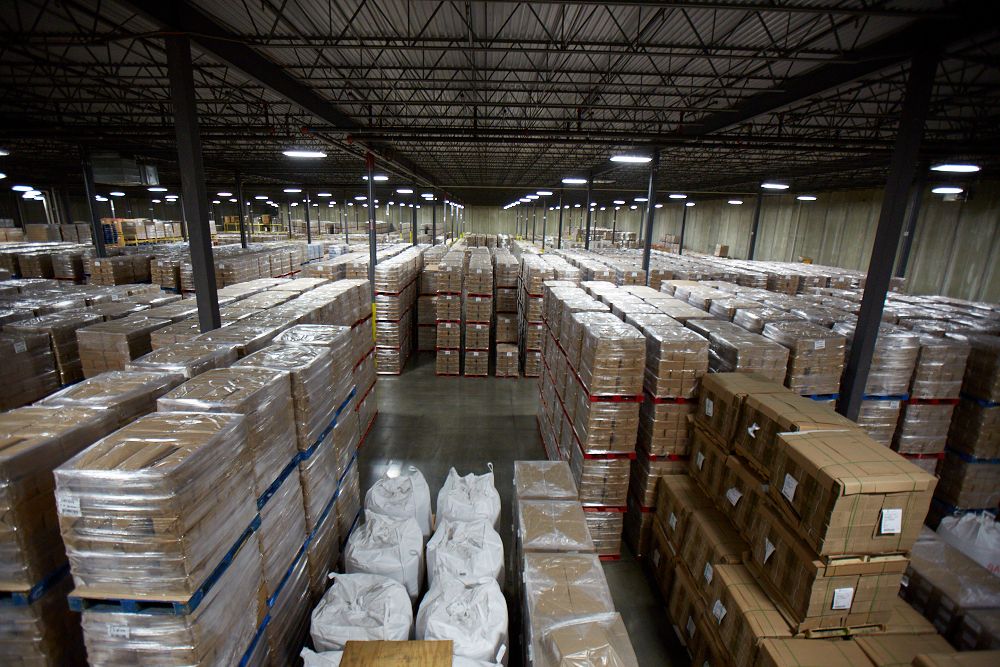
Protecting Perishable Ingredients
One of the most significant challenges in food ingredient transport is maintaining the integrity of perishable goods. The supply chain needs to maintain precise conditions to help protect freshness and quality. A temperature shift, delay, or handling issue can result in substantial product loss.
For this reason, food ingredient logistics providers need the right processes and technology to support cold chain management when required. This may include real-time tracking systems, automated temperature monitoring, refrigerated equipment, and clear procedures for handling sensitive products.
Predictive analytics can also help forecast potential delays or disruptions in the supply chain, allowing for timely interventions before small issues become costly problems.
Innovative packaging solutions may help maintain temperature and humidity conditions within acceptable ranges. IoT-enabled refrigerated vehicles can also support end-to-end cold chain visibility for ingredients that require strict environmental control.
Just as importantly, warehouse and transportation teams need to understand the importance of maintaining the cold chain. Training, clear procedures, and contingency plans can help reduce the risk of spoilage and ensure ingredients reach their destination in optimal condition.
Managing Food Safety and Regulatory Requirements
Food and ingredient transportation require careful adherence to food safety and handling standards.
The food industry is heavily regulated, and many countries impose strict rules regarding food handling, storage, and transportation. In the United States, FDA’s Sanitary Transportation Rule requires shippers, loaders, carriers, and receivers covered by the rule to use sanitary transportation practices to help ensure food safety.
Compliance is not only about protecting product quality. It is also about protecting consumers, maintaining business credibility, and reducing operational risk.
Food ingredient logistics providers should have a strong understanding of applicable regulations, customer requirements, and food-grade handling practices. Depending on the ingredient and supply chain, this may include controls related to sanitation, temperature, pest prevention, allergen cross-contact, documentation, and employee training.
Technology can also play a role. AI, machine learning, and modern supply chain systems can help monitor requirements, document activity, and identify potential compliance issues. However, technology should support a broader operational discipline that includes training, audits, communication, and continuous improvement.
Periodic audits and assessments are also important for verifying adherence to standards and identifying areas where processes can be strengthened.
Improving Traceability and Inventory Visibility
In an increasingly globalized food system, manufacturers, retailers, regulators, and consumers all want more visibility into where food and ingredients come from, how they are handled, and how they move through the supply chain.
Food ingredient logistics providers should be able to offer detailed tracking systems that follow products from the farm, production facility, supplier, or distribution point through to the next destination.
Advanced supply chain management systems can support this visibility through tools such as lot tracking, barcode scanning, QR codes, RFID technology, and warehouse management systems.
Traceability is especially important for recalls, quality issues, inventory control, customer documentation, and production planning. FDA’s Food Traceability Rule also establishes additional traceability recordkeeping requirements for certain foods on the Food Traceability List.
Strong traceability requires collaboration across farmers, processors, manufacturers, warehouses, carriers, and distributors. When supply chain partners share accurate information quickly and consistently, food manufacturers can make better decisions and respond faster when issues arise.
Reducing Inventory Risk
Ingredient delays can quickly become production delays.
When food manufacturers do not have the right ingredients available at the right time, production schedules may be interrupted. On the other hand, carrying too much inventory can increase storage costs, create shelf-life concerns, and raise the risk of product loss.
That is why food ingredient logistics is closely tied to inventory planning. A strong logistics partner can help food manufacturers balance availability, speed, storage capacity, and cost.
Important inventory considerations include:
- Lot tracking
- Expiration date tracking
- First-expired, first-out inventory practices
- Storage condition monitoring
- Accurate inbound and outbound scheduling
- Real-time inventory visibility
- Clear communication during disruptions
The right 3PL partner can help manufacturers reduce uncertainty and keep ingredient supply aligned with production demand.
Supporting Sustainability in Ingredient Transport
Today’s customers and consumers increasingly expect food companies to reduce waste, improve efficiency, and make more environmentally responsible supply chain decisions. For logistics providers, this can mean finding smarter ways to move and store ingredients.
Sustainability efforts may include optimizing routes to reduce fuel consumption, consolidating shipments, improving warehouse efficiency, reducing product waste, using recyclable or biodegradable packaging materials where appropriate, and investing in cleaner transportation options.
Electric or hybrid vehicles may also play a role in limiting greenhouse gas emissions in some delivery models. Companies may also invest in renewable energy for warehouses and transportation hubs or explore carbon offset programs.
Local sourcing partnerships can also reduce transportation distances and, in some cases, lower the carbon footprint of ingredient transport.
Sustainability does not replace speed, safety, or reliability. But when done well, it can support a more efficient and resilient food ingredient supply chain.
Choosing a Food Ingredient Logistics Partner
The role logistics plays in ingredient transport is not simple. It is an intricate operation that balances speed, accuracy, food safety, transparency, compliance, sustainability, and cost.
When evaluating a food ingredient logistics or ingredient transport partner, food manufacturers should ask:
- Can the team support ambient, refrigerated, or frozen requirements where needed?
- What food-grade handling procedures are in place?
- How does the provider manage sanitation and pest prevention?
- Can the provider support lot tracking and expiration date management?
- How does the provider communicate during delays or disruptions?
- Does the provider understand customer, regulatory, and audit requirements?
- Can the provider support both warehousing and transportation needs?
The best partner is a 3PL that understands how ingredient logistics connects to production, quality, compliance, inventory management, and customer satisfaction.
Why Food Manufacturers Work With Murphy Logistics
Murphy Logistics stands out as a trusted 3PL logistics solutions provider for food ingredient transport and warehousing.
With a comprehensive understanding of the ever-changing dynamics of the food industry, Murphy brings an impressive blend of experience, technology, and commitment to its operations. Our services are marked by an unwavering dedication to maintaining the quality and safety of ingredients while supporting efficient, timely deliveries.
Murphy helps food manufacturers and food industry partners manage the many moving parts of food ingredient logistics, including storage, handling, documentation, inventory visibility, and distribution.
If your business needs a food ingredient logistics partner that understands the importance of safety, timing, traceability, and communication, Murphy’s team is ready to help.
Talk With Murphy’s Food Ingredient Logistics Experts
Food ingredient logistics can help manufacturers reduce delays, prevent product damage, improve inventory visibility, and strengthen supply chain performance.
Murphy’s team can review your storage and transportation needs, answer your questions, and help identify the right solution for your business.
Frequently Asked Questions About Food Ingredient Logistics
Food ingredient logistics is the planning, storage, handling, transportation, tracking, and delivery of ingredients used in food manufacturing. It helps ensure ingredients arrive safely, on time, and in the right condition for production.
Food ingredient transport refers specifically to the movement of ingredients from farms, suppliers, processors, warehouses, or distribution points to manufacturers or other supply chain destinations. It may involve ambient, refrigerated, frozen, or specialized handling depending on the ingredient.
Traceability helps manufacturers know where ingredients came from, how they moved through the supply chain, and where they are located. This supports inventory planning, quality control, customer documentation, and faster response during recalls or supply chain disruptions.
Food manufacturers should look for a partner with food-grade logistics experience, strong inventory systems, temperature control capabilities where needed, clear communication, documented food safety procedures, compliance knowledge, and the ability to support both warehousing and transportation.
Food ingredient logistics can reduce inventory risk by improving inbound scheduling, storage visibility, lot tracking, expiration date management, and communication. This helps manufacturers avoid both production shortages and excess inventory that may create spoilage or storage challenges.