Food & Beverage Logistics Services
Safe and secure management of food-grade shipping and storage
The food supply chain is one of the most unique in the logistics industry. With so many different requirements, companies must be diligent to ensure safety and organization throughout the entire process.
Within food logistics, there are two main areas to focus on: food-grade warehousing and food-grade shipping. With food and food ingredients being our most common commodity, Murphy is an expert in both arenas. We pride ourselves on being experts in food and beverage logistics and supplying our customers with best-in-class practices, procedures, and food-grade certifications.




Food-Grade Warehousing Solutions
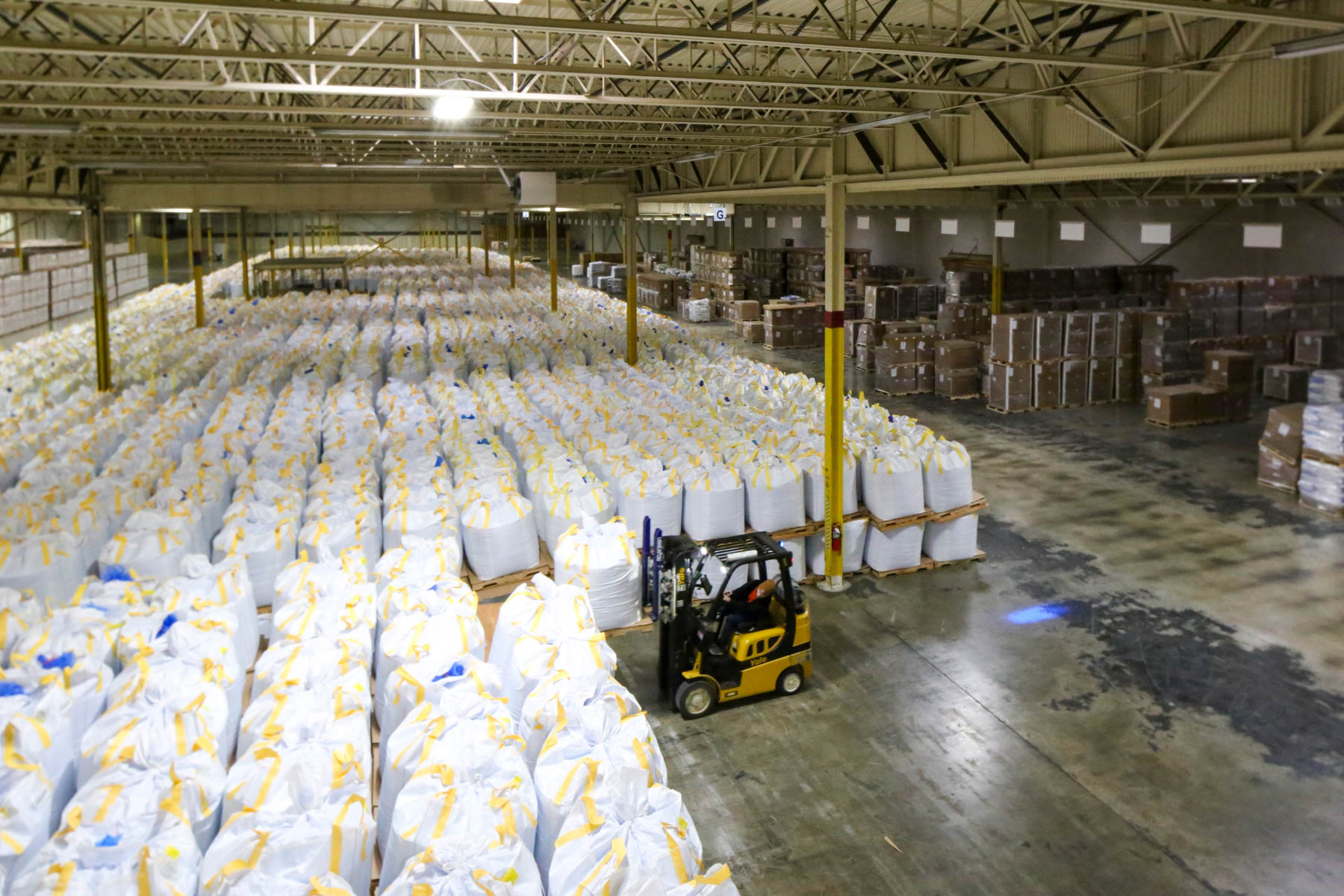
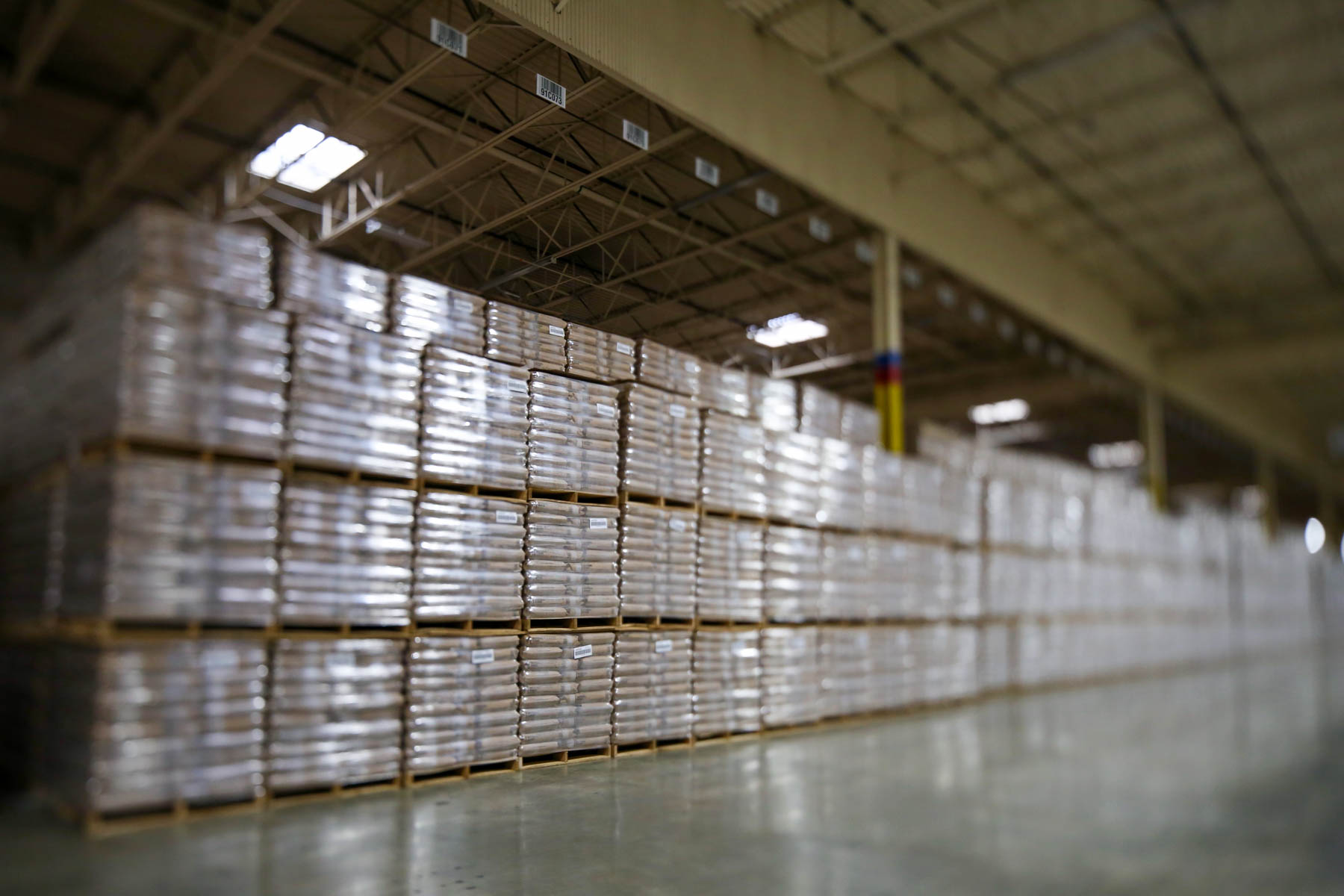
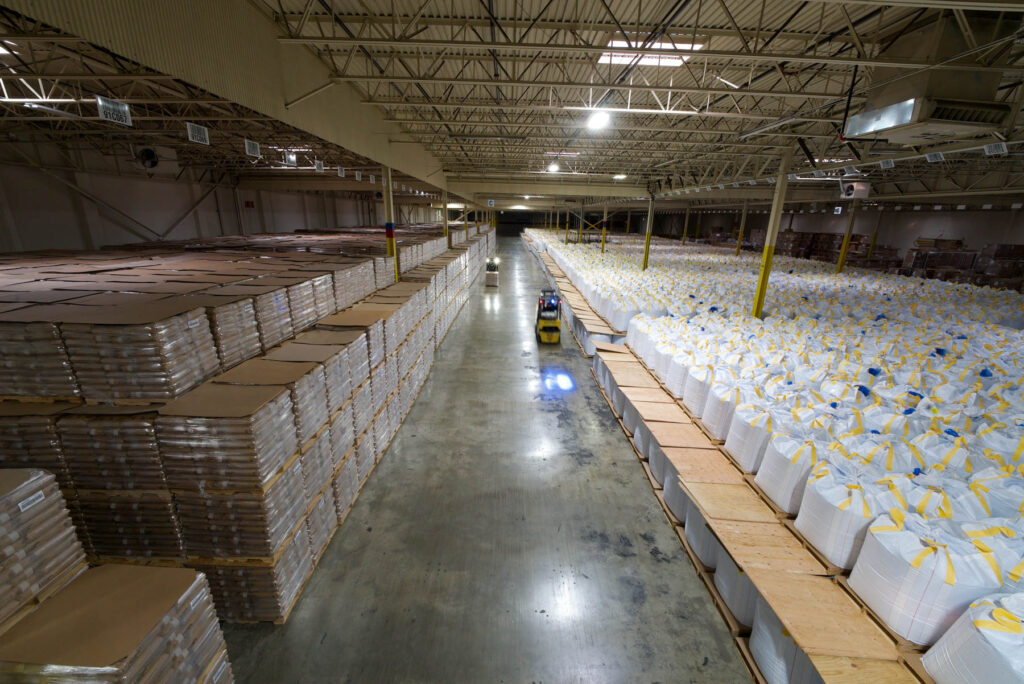
While all products require their own unique set of storage requirements, food, and food ingredients have the largest variety of unique options. From simple clean, dry storage to organic, specialty, and temperature-controlled food storage space, Murphy has worked with customers of all types. Food and beverage warehousing is one of Murphy’s specialties.
Working with customers to understand all requirements from the start is vital to the success of a food-grade warehousing relationship. Our team has open honest conversations about requirements, procedures, and customer needs, and works with clients to ensure the best fit. From our clean, secure warehouses to the certifications and practices we have in place, there is a facility ready for most food customers. We can also make adjustments as needed to accommodate nearly all food products if additional procedures are required.
Food Certifications
Ensuring food safety is a priority at Murphy, and we’ve taken it a step further by working with some of the most stringent food safety experts in the country. Our business practices meet and exceed all established certification requirements.
Safe Quality Food (SQF) is one of the most comprehensive food safety standards in the industry. Murphy holds SQF certificates at numerous locations in Minnesota and Missouri. We have also worked with agencies such as the FDA/USDA and the Minnesota Crop Improvement Association to receive additional certifications and their organic handler certification.
In addition to all of the certifications we hold, Murphy has developed a thorough process and plan for how to be prepared in every scenario when it comes to retail food supply logistics. We hold random audits and engage in mock food recalls and continuous improvement practices to constantly better ourselves and ensure the highest quality for our customers.
Food Grade Shipping
Working with carriers that have experience in food-grade shipping is a must for a well-managed food supply chain. Taking into consideration the timeliness of food logistics, it’s extremely important to remember all possible challenges that can occur in order to guarantee fresh deliveries.
From the challenges of tight timelines to the unpredictability of working with receivers in grocery settings, there are many obstacles in food-grade shipping. This doesn’t even take into account unloading time or exposure times, both of which can further impact your productivity. This is what makes working with an established, credible food and beverage distribution logistics company so important. Murphy’s experience of over 120 years means that from our dispatch team to our drivers, we’re prepared for every scenario. This also means we are knowledgeable of all the different realities of food-grade shipping.
Not only is Murphy well established in food logistics as a direct provider, we also have extensive experience as a 3PL brokerage that handles a significant amount of food logistics with the help of third-party partners. With a network of qualified and respected carriers, our brokerage can do much of the hard work of qualifying a carrier to haul food-grade products and materials. We also have access to specialized carriers such as drayage experts, refrigerated vans (reefers), and long-haul carriers.
For example, our carrier network supports specialized transport for a variety of food and beverage commodities, such as:
- Pet food ingredients and packaged pet food requiring certified handling
- Raw and processed food ingredients like starches, sweeteners, and oils
- Packaged consumer goods including snacks, condiments, and canned foods
- Bulk liquid products like juices, syrups, and other beverage concentrates
Looking for solutions tailored to farming and crop distribution? Explore our agriculture supply chain management services to see how Murphy supports producers from farm to market.”
Integrated Food & Beverage Supply Chain Solutions
Murphy is more than just a warehousing and shipping provider for the food and beverage industry. We coordinate end-to-end logistics for manufacturers, distributors, and retailers. Our ability to combine asset-based fleets, rail transloading, and 3PL brokerage enables us to design flexible distribution strategies for our customers. With our help, they can experience fewer handoffs, better cost predictability, and improved reliability in meeting retailer requirements. When food and beverage companies need an experienced and trusted partner to support their integrated supply chains, many of them turn to us.
Get Started with the Leaders in Food Logistics
We’re ready to answer any questions you may have about our certified food-grade warehousing and food-grade shipping capabilities. Our team of food logistics experts can ensure your products are handled and delivered with care. Get in touch with us today to request a quote.
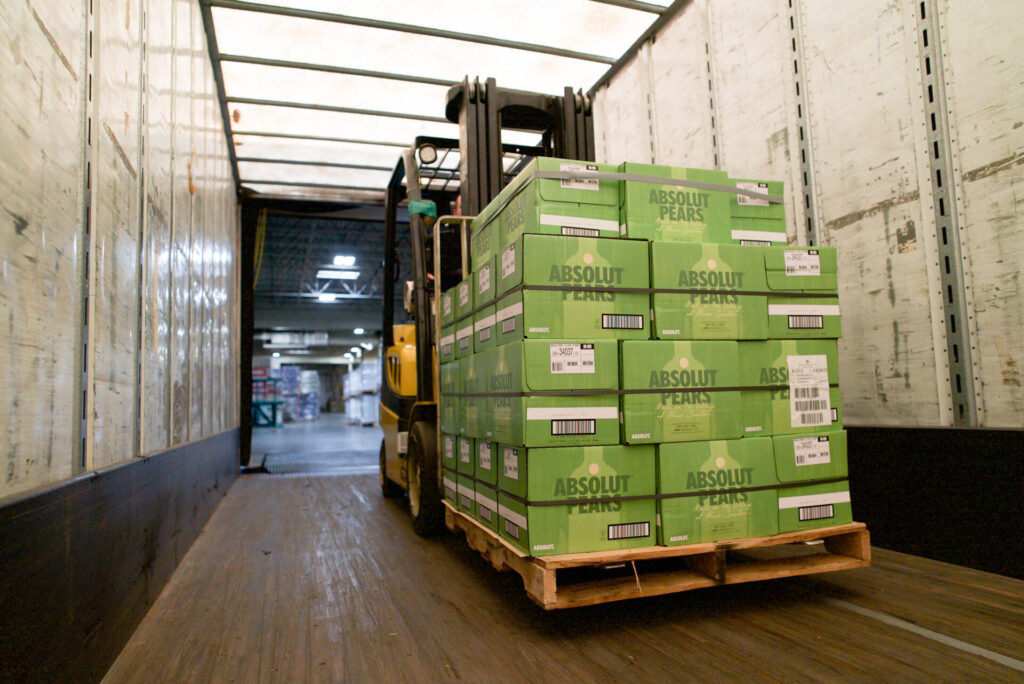
Explore our Dry Goods Logistics
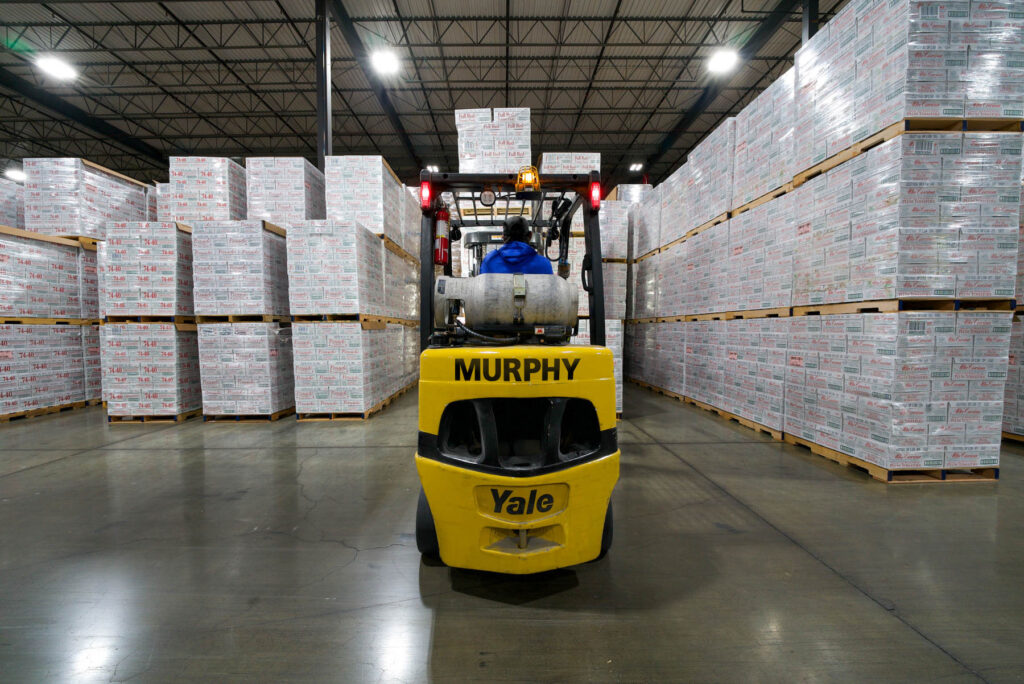
Explore our Food Ingredient Logistics
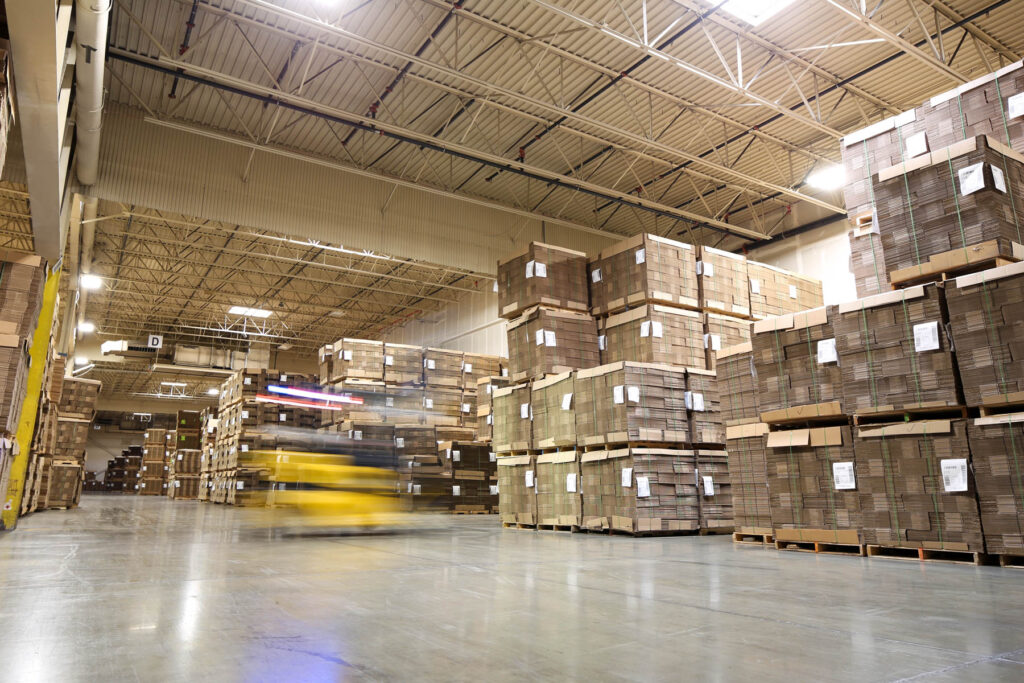
Explore our Commercial Food
Packaging Logistics
Explore our Pet Food Ingredients Logistics
Frequently Asked Questions
Food-grade warehousing is a specialized type of storage facility designed to handle food products safely and efficiently. These warehouses adhere to strict sanitation, temperature control, and regulatory standards to protect food integrity and prevent contamination. Food-grade warehousing is crucial for maintaining product quality, ensuring consumer safety, and complying with industry regulations.
Safe Quality Food (SQF) is one of the most thorough standards for food handling and safety in the logistics industry. Murphy has SQF certifications for our food warehousing locations. Furthermore, we work with organizations like the Minnesota Crop Improvement Association and the FDA/USDA to further ensure we successfully follow all rules, regulations, and best practices for food safety. See our Certifications page for more detailed information on how we maintain food safety best practices.
Murphy makes safety and security a priority at all of our facilities. Along with employing vetted and trustworthy team members who follow safety protocols, we incorporate state-of-the-art security systems, including surveillance cameras, access controls, fire suppression systems, fire doors, and alarm systems. We also conduct regular security audits and employee training to prevent theft and unauthorized access.
Food safety is a top priority at Murphy Logistics. Along with obtaining and maintaining the proper food-handling certifications, we follow best practices and adhere to rigorous sanitation protocols, both in our food handling and in all other areas of our logistics and warehousing. We make great efforts to maintain clean and compliant food storage facilities, and we also regularly clean and disinfect areas that are involved with food handling. We also provide regular pest control with Ecolab and recurrent employee hygiene training.
The food and beverage industry has to deal with issues including perishability, seasonal demand spikes, and strict safety regulations. With experience in these and many other concerns, Murphy Logistics has proven systems and services including temperature-controlled logistics and continuous monitoring to deliver true value to companies within this sector.
By reducing the number of handoffs between warehousing, transportation, and distribution, food companies can lower the risks of spoilage and delay. With multiple food-grade transportation services handled under one provider, they also gain substantial cost efficiencies that help them keep their overhead as low as possible. Murphy’s capabilities also provide flexibility during seasonal or promotional surges.
Rail is a highly cost-effective solution for long-haul bulk food ingredient logistics or for packaged food distribution. We provide transloading services as well as rail siding access as part of a comprehensive blended logistics solution.
Regular internal and external audits ensure we meet food storage compliance standards such as SQF. Murphy engages in mock recalls and process reviews to ensure our clients are prepared for any eventuality, which helps build consumer confidence and enhances the brand.
In addition to checking for certifications such as SQF and FDA/USDA compliance, companies should look for facility flexibility and a track record of meeting seasonal demand spikes. For long-term efficiency, make sure your food and beverage logistics providers offer integrated warehousing, shipping, and 3PL options, as well.